

Hey there! As a supplier of Sodium Metabisulfite, I often get asked a bunch of questions about its properties and uses. One question that's been popping up more frequently lately is whether Sodium Metabisulfite has any antiviral properties. So, I decided to dig deep into the science and share what I found with you all.
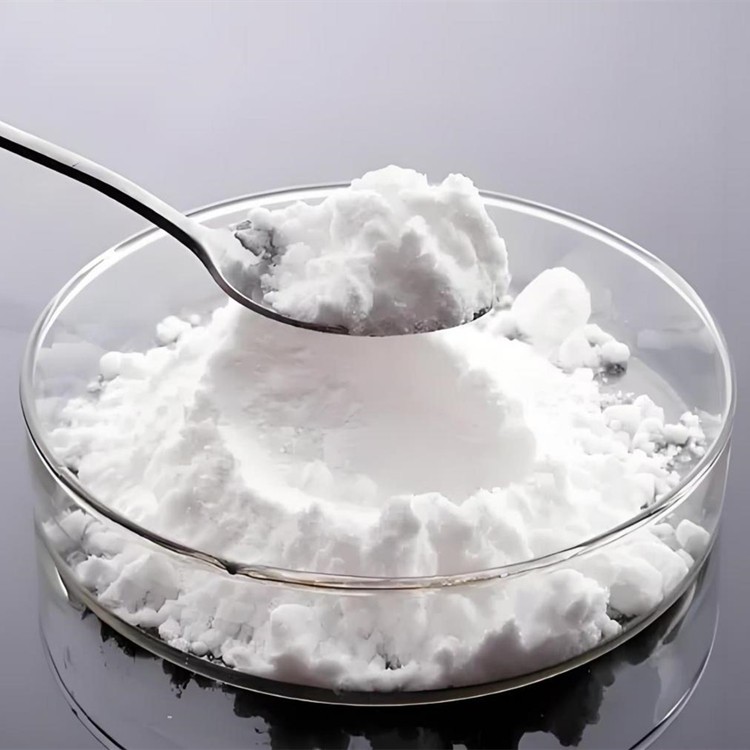

First off, let's talk a bit about what Sodium Metabisulfite is. It's a white crystalline powder with a sulfur - dioxide - like odor. It's commonly used in a variety of industries. In the food industry, it's used as a preservative, antioxidant, and a bleaching agent. In the water treatment sector, it helps in removing chlorine. And in the pharmaceutical industry, it has its own set of applications too.
Now, onto the big question: does it have antiviral properties? Well, the scientific research on this is a bit mixed. There are some studies that suggest certain sulfur - containing compounds can have antiviral effects. Sulfur compounds can interfere with the replication process of viruses. They might react with the proteins and nucleic acids of the virus, which are essential for its survival and reproduction.
Sodium Metabisulfite, being a sulfur - containing compound, could potentially have similar effects. When it dissolves in water, it releases sulfur dioxide. Sulfur dioxide has been known to have some antimicrobial and antiviral activity. It can disrupt the cell membranes of microorganisms and viruses, making it harder for them to function properly.
In some laboratory settings, researchers have tested the antiviral effects of Sodium Metabisulfite against certain types of viruses. For example, it has shown some activity against herpes simplex virus. The exact mechanism isn't fully understood, but it's thought that the sulfur - based reactions can prevent the virus from attaching to host cells and injecting its genetic material.
However, it's important to note that most of these studies are in vitro, which means they're done in a laboratory dish. The real - world situation is a lot more complex. When we talk about using Sodium Metabisulfite as an antiviral agent in humans or animals, there are many factors to consider.
One major concern is toxicity. Sodium Metabisulfite can be toxic in high doses. It can cause allergic reactions in some people, especially those with asthma. Ingesting large amounts can lead to nausea, vomiting, and other digestive problems. So, even if it has some antiviral potential, using it as a direct antiviral treatment in humans would require careful consideration of the dosage and safety.
Another aspect is the environment. In nature, viruses interact with a whole ecosystem of other organisms and substances. The antiviral effects seen in a laboratory might not translate well in the real world. For example, the presence of other chemicals in the body or in the environment could either enhance or inhibit the antiviral activity of Sodium Metabisulfite.
Now, let's compare Sodium Metabisulfite with some other sodium - based compounds. You might be familiar with Sodium Nitrite, which is used in the meat industry as a preservative and color fixative. It has its own set of chemical properties and uses, but there's not much evidence to suggest strong antiviral effects like what we're exploring with Sodium Metabisulfite.
Sodium Bicarbonate is another well - known compound. It's commonly used in baking and as an antacid. While it has many useful properties, its antiviral potential is also not well - established compared to the possible antiviral effects of Sodium Metabisulfite.
Then there's Light Soda Ash, which is used in glass manufacturing, detergents, and water treatment. It has different chemical characteristics and functions compared to Sodium Metabisulfite, and there's no significant research indicating it has antiviral properties.
So, where does this leave us? As a Sodium Metabisulfite supplier, I see a lot of potential in this compound. While the evidence for its antiviral properties is still in the early stages, the scientific basis is there. There's a need for more in - depth research, especially in vivo studies to really understand how it can be used safely and effectively as an antiviral agent.
If you're in an industry that might be interested in exploring the potential antiviral uses of Sodium Metabisulfite, or if you have other needs for this compound, I'd love to have a chat with you. Whether it's for food preservation, water treatment, or other applications, we can discuss the best options for your specific requirements.
In conclusion, Sodium Metabisulfite shows some promise in having antiviral properties, but more research is needed. It's an exciting area of study, and I'm looking forward to seeing how the science develops in the future. So, if you're curious about Sodium Metabisulfite or want to learn more about its potential, don't hesitate to reach out for a discussion.
References
- Various in - vitro studies on sulfur - containing compounds and antiviral activity.
- Research on the toxicity and safety of Sodium Metabisulfite in humans.
- Industry reports on the uses of Sodium Metabisulfite in different sectors.